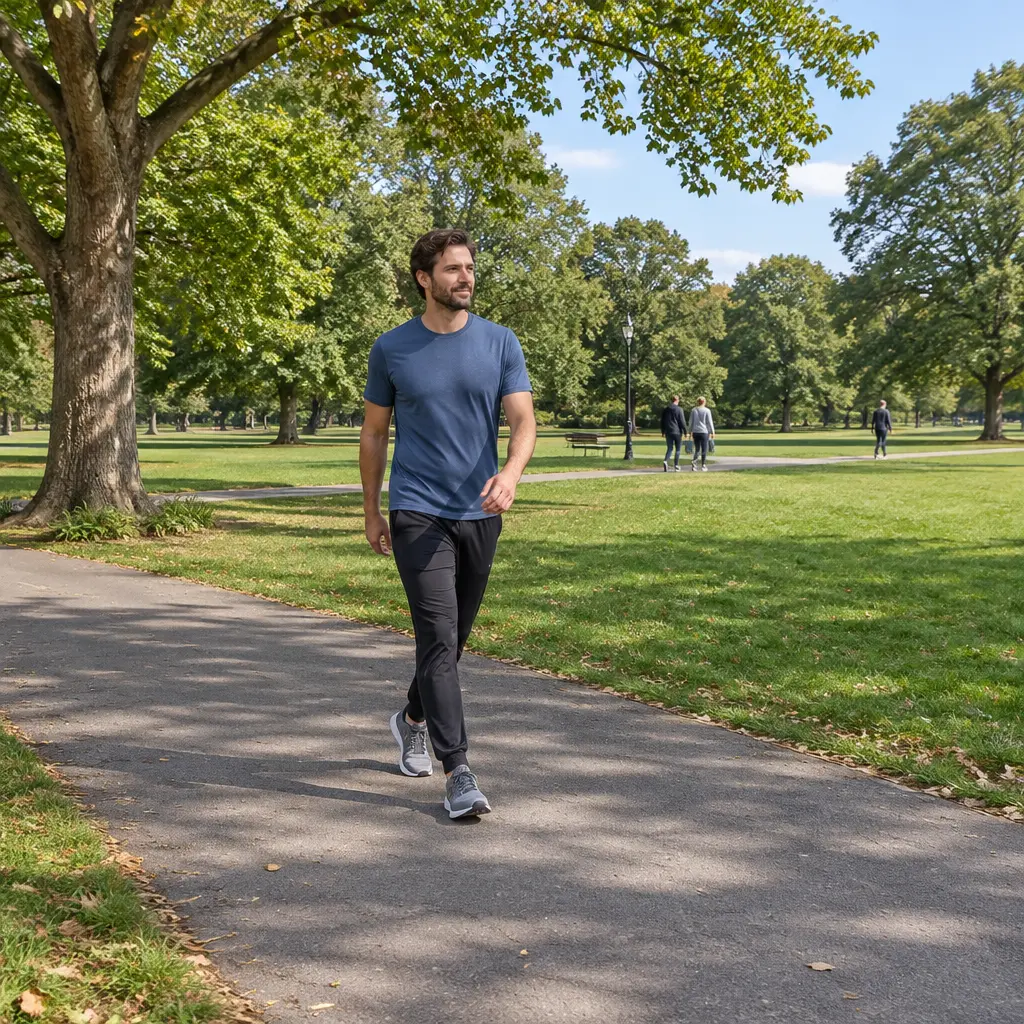
Exercise and mood are connected through a mix of brain chemistry, stress regulation, sleep, and a sense of accomplishment. Physical activity can improve mood shortly after a session and, when practiced regularly, may support mental health over time. The World Health Organization recommends adults get 150–300 minutes of moderate-intensity aerobic activity each week, yet any amount of movement can be a useful starting point. Understanding the immediate effects, longer-term benefits, and limits of exercise helps explain why a workout can leave you feeling better—and how to make that effect more reliable.
Exercise and mood: the connection between physical activity and emotional well-being
Exercise is planned or everyday bodily movement that uses energy; mood is a person’s prevailing emotional state. The U.S. Centers for Disease Control and Prevention (CDC) describes physical activity as beneficial for both physical and mental health, including reduced short-term feelings of anxiety. The relationship is not a simple chemical switch: movement can influence brain signaling, stress responses, attention, self-efficacy, and social connection at the same time.
The World Health Organization’s 2020 guidelines recommend adults accumulate at least 150 minutes of moderate-intensity aerobic activity per week, or 75 minutes of vigorous activity, with additional benefits possible at higher amounts. These are population-level recommendations, not a threshold below which exercise has no value. A short walk, a bike ride, dancing, or strength training may all contribute, depending on a person’s abilities and circumstances.
Acute mood effects: how one workout can change how you feel
Acute mood effects are short-lived changes that occur during or after a single exercise session. The CDC notes that one bout of moderate-to-vigorous physical activity can reduce feelings of anxiety in adults and improve sleep quality. Many people also report feeling more alert or positive afterward, although the size and timing of the effect vary with intensity, fitness, health, expectations, and the activity itself.
A practical example is a brisk walk after a stressful workday: it adds movement and a change of setting without requiring a demanding workout. Mood is subjective, so a simple before-and-after rating—such as scoring stress or energy from 1 to 10—can help someone notice personal patterns. That observation is more useful than assuming every session must produce an immediate “runner’s high.”
Regular activity: how repeated exercise supports mental health
Regular physical activity means accumulating movement over time, rather than relying on one unusually hard session. In a large systematic review and meta-analysis published in the British Journal of Sports Medicine in 2023, researchers reported that physical activity was associated with improvements in symptoms of depression, anxiety, and psychological distress across a range of adult populations. The findings support exercise as a useful mental-health strategy, but they do not establish that it replaces professional care or works equally for everyone.
The connection can be reinforced by routines: a scheduled walk may provide structure, while a group class can add social contact. These pathways help explain why mood effects extend beyond what happens in the brain during the workout itself.
Brain chemistry and stress regulation explain exercise’s mood effects
Exercise-related mood change is best understood as a combination of interacting biological and psychological processes. The National Institute of Mental Health (NIMH) explains that depression involves multiple factors, including biological, psychological, and environmental influences; it is therefore misleading to attribute exercise’s effects to one “feel-good” molecule. Activity can change the body’s arousal and stress state while also affecting how a person attends to thoughts and sensations.
Endorphins and endocannabinoids: signaling during exercise
Endorphins are naturally produced opioid peptides involved in pain regulation and other functions. Endocannabinoids are signaling molecules that interact with the body’s endocannabinoid system. Research published in Psychoneuroendocrinology in 2015 found that moderate-intensity running increased circulating endocannabinoids in a small study, offering evidence for one possible contributor to exercise-related changes in anxiety and affect. Blood measurements, however, do not directly prove exactly what is happening in the brain or explain every person’s experience.
The familiar “endorphin rush” is thus an incomplete explanation. Exercise may involve several signaling systems, and the subjective feeling after a workout can also reflect reduced tension, a sense of progress, or simply time away from a stressor.
Stress response and arousal: returning toward balance
The stress response is the body’s coordinated reaction to demands, involving systems such as the sympathetic nervous system and the hypothalamic-pituitary-adrenal axis. Exercise temporarily raises heart rate and other signs of arousal; recovery afterward gives the body an opportunity to return toward its resting state. Regular activity may support stress regulation, although responses differ and vigorous exercise can feel stressful when someone is ill, exhausted, or under-recovered.
This distinction matters: feeling calmer after moderate movement does not mean more intensity is always better. Choosing an effort that feels manageable can make exercise restorative rather than another source of pressure.
Attention and self-efficacy: psychological routes to a better mood
Self-efficacy is a person’s belief that they can carry out a particular action or meet a challenge. Completing a realistic workout can strengthen that belief, while rhythmic movement may offer a break from repetitive worry by directing attention toward breathing, surroundings, or technique. These effects are not guaranteed, but they help account for why an accessible, enjoyable activity may be more beneficial in practice than an ambitious plan that is difficult to sustain.
Sleep, routine, and social connection extend the benefits of exercise
The emotional effects of activity are shaped by daily life as well as physiology. Sleep, regular routines, and supportive relationships can influence both the likelihood of exercising and how a person feels afterward. Exercise may contribute to this wider system by creating structure and opportunities for recovery and connection.
Sleep quality: a two-way relationship with physical activity
Sleep quality includes how quickly someone falls asleep, how well sleep is maintained, and whether sleep feels restorative. The CDC identifies improved sleep quality among the potential benefits of a single bout of moderate-to-vigorous activity. Better sleep can, in turn, support emotional regulation and energy for the next day. Timing and individual response matter: if late or intense workouts seem to disrupt sleep, moving them earlier or reducing their intensity may help.
Routine and mastery: making positive effects more repeatable
A routine is a repeatable pattern of behavior, while mastery refers to the experience of developing or completing a skill. Setting a modest goal—such as taking a 10-minute walk after lunch—can make activity easier to repeat and provide a tangible sense of completion. WHO guidelines describe weekly targets, but people can build toward them gradually; a consistent, achievable plan is often more practical than trying to make every workout intense.
Social exercise: movement with other people
Social exercise includes walking with a friend, joining a class, or participating in recreational sport. It combines physical activity with companionship, accountability, or belonging—factors that may support motivation and emotional well-being. A group is not essential, however: solitary movement can be just as appropriate for someone who prefers quiet, privacy, or a flexible schedule.
Exercise types and intensity shape the experience
Aerobic activity, strength training, and mind-body movement are different forms of exercise, and each offers distinct experiences. The best choice is generally one that is safe, accessible, and enjoyable enough to repeat. The CDC and WHO recommend a mix of aerobic activity and muscle-strengthening activity for adults, while recognizing that abilities and health needs vary.
Aerobic exercise: walking, cycling, swimming, and dancing
Aerobic exercise uses large muscle groups rhythmically over time and includes brisk walking, cycling, swimming, and dancing. Moderate intensity typically makes a person breathe faster while still allowing conversation; vigorous activity makes conversation more difficult. Aerobic movement is a flexible option for mood support because it can be adapted in duration, pace, and setting.
Strength training: resistance exercise and confidence
Strength training is exercise that challenges muscles against resistance, such as weights, resistance bands, or body weight. WHO guidelines recommend muscle-strengthening activities involving major muscle groups on at least two days a week for adults. Progress may support confidence and functional ability, but good technique, recovery, and appropriate loads are important; beginners can start with light resistance or seek qualified instruction.
Mind-body movement: yoga, tai chi, and controlled breathing
Mind-body activities combine movement with attention to posture, balance, or breathing. Yoga and tai chi are examples that can be modified for different mobility levels. Some people find these practices calming, while others prefer more energetic forms of exercise. Their value depends on fit and preference rather than a universal ranking of activities.
When exercise may not improve mood—and how to respond
Exercise can support well-being, but it is not a guaranteed or stand-alone treatment for every mood concern. Pain, illness, overtraining, inadequate recovery, unsafe environments, or pressure to meet unrealistic goals can make activity unpleasant. The NIMH advises people experiencing persistent symptoms of depression to seek professional help; exercise may complement care, but should not delay it.
Overtraining and recovery: recognizing when more is not better
Overtraining is a state in which training demands exceed a person’s ability to recover, potentially contributing to persistent fatigue, declining performance, sleep problems, or low mood. These symptoms can have other causes, so they should not be self-diagnosed from a single hard week. Rest days, adequate food and hydration, and reducing training load when needed help make activity safer and more sustainable.
Mental-health symptoms: exercise as support, not a substitute for care
Persistent low mood, loss of interest, significant anxiety, or difficulty functioning deserves attention from a qualified health professional. Exercise can be one part of a broader support plan, alongside evidence-based treatment and social support where appropriate. If symptoms are severe or someone may be in immediate danger, contact local emergency services or a crisis support service.
Conclusion: use movement as a practical tool for mood
Exercise can improve how you feel through several routes: acute changes in anxiety and alertness, possible effects on brain signaling and stress regulation, and longer-term contributions from sleep, routine, confidence, and social connection. Aerobic, strength, and mind-body activities can all be useful, but the most effective option is one that suits your health, preferences, and circumstances. Start with a manageable amount, notice how different activities affect you, and build gradually toward public-health recommendations. If mood symptoms persist or interfere with daily life, seek professional support rather than relying on exercise alone.
Sources: World Health Organization, WHO Guidelines on Physical Activity and Sedentary Behaviour, 2020, https://www.who.int/publications/i/item/9789240015128; U.S. Centers for Disease Control and Prevention, Benefits of Physical Activity, https://www.cdc.gov/physical-activity-basics/benefits/; U.S. Centers for Disease Control and Prevention, Adult Activity: An Overview, https://www.cdc.gov/physical-activity-basics/guidelines/adults.html; Singh, B. et al., “Effectiveness of physical activity interventions for improving depression, anxiety and distress: an overview of systematic reviews,” British Journal of Sports Medicine, 2023, https://bjsm.bmj.com/content/57/18/1203; Siebers, M. et al., “Exercise-induced elevations of endocannabinoids are associated with reduced anxiety and pain following running,” Psychoneuroendocrinology, 2015, https://pubmed.ncbi.nlm.nih.gov/25624155/; National Institute of Mental Health, Depression, https://www.nimh.nih.gov/health/topics/depression